
What to do if your House floods
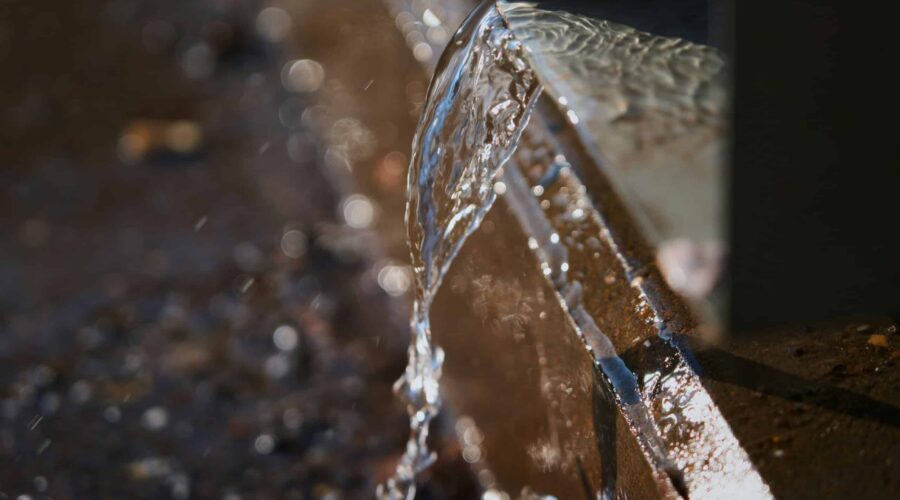
A flood inside your home is one of the most stressful and common household emergencies. Burst pipes, faulty appliances, overflowing toilets, or failed water heaters can release large volumes of water in a short time, causing serious damage to floors, walls, furnishings, and electrical systems.
Knowing what to do if your house floods can significantly reduce damage, lower repair costs, and minimise disruption. Follow these essential emergency steps to protect your home and stay safe.
Step 1: Shut Off the Water Supply Immediately
The first and most important action during house flooding is stopping the water at its source.
- Turn off the main water supply valve to your property
- This is usually located under the kitchen sink, in a utility cupboard, or outside the home
- If the flooding is coming from a specific appliance (such as a washing machine, dishwasher, or toilet), switch off the local isolation valve if it is safe to do so
Stopping the water flow quickly can dramatically reduce flooding damage.
Step 2: Turn Off the Electricity If There Is a Risk
Water and electricity are extremely dangerous together. If flood water is approaching electrical sockets or appliances:
- Switch off electricity at the consumer unit or fuse box only if it is safe
- Never stand in water while touching electrical switches or appliances
- If the fuse box is already wet or unsafe to access, contact a qualified electrician
Electrical safety should always take priority during indoor flooding.
Step 3: Contain and Remove the Water
Once the water supply is off and the area is safe, remove standing water as quickly as possible to reduce further damage.
- Use towels, mops, buckets, or a wet/dry vacuum
- Channel water towards floor drains if available
- Open doors and windows to increase ventilation and speed up drying
Quick action helps prevent water from penetrating flooring, walls, and insulation, which can lead to mould growth and long‑term structural issues.
Step 4: Call a Qualified Plumber
Even if the flooding appears to be under control, it’s essential to have the issue professionally assessed.
A qualified plumber can:
- Repair burst pipes, leaking valves, or damaged appliances
- Identify hidden leaks or weaknesses in the plumbing system
- Ensure repairs are safe, compliant, and long‑lasting
Avoid temporary fixes, as they often fail and increase the risk of further flooding. Do not turn the water supply back on until repairs are fully completed.
If you intend to make an insurance claim, ask your plumber for a written report detailing the cause, damage, and repair work carried out.
👉 To find a qualified, SNIPEF‑approved plumber in your area, visit: needaplumber.org