How to prepare your home for cold weather
When temperatures drop, your home’s plumbing system comes under extra pressure. Frozen pipes, cracked fittings, and hidden leaks are common winter problems that can quickly lead to expensive repairs and water damage. Taking preventative steps before cold weather arrives not only protects your property but also helps keep your household safe, warm, and comfortable throughout winter.
Below are essential winter plumbing tips to help you prepare your home for cold weather and avoid unexpected emergencies.
Insulate Exposed Pipes
Exposed or uninsulated pipes are one of the most common causes of winter plumbing failures. Pipes located in basements, garages, lofts, and external walls are especially vulnerable to freezing. When water freezes inside a pipe, it expands, increasing pressure and often causing the pipe to burst.
What to do:
- Wrap exposed pipes with foam pipe insulation or fiberglass lagging
- Focus on pipework in unheated or poorly insulated areas
- Seal drafts near pipes with caulk or weather stripping
Proper pipe insulation is one of the most effective ways to prevent frozen pipes during cold weather.
Protect Outdoor Plumbing and Taps
Outdoor plumbing fixtures are highly exposed to freezing temperatures and should always be prepared before winter arrives.
To protect outdoor plumbing:
- Disconnect, drain, and store garden hoses
- Install insulated tap covers on all exterior taps
- Shut off the internal valve supplying outdoor taps and drain the pipework
These simple steps significantly reduce the risk of burst outdoor pipes.
Know Where Your Main Water Shut‑Off Valve Is
If a pipe does burst, acting quickly can limit water damage and reduce repair costs. Knowing how to shut off your water supply is critical.
Make sure you:
- Locate your main stopcock (often under the kitchen sink, under stairs, or where the water line enters the home)
- Test it to ensure it turns easily
- Show all household members how and where to turn it off
Fast action during a plumbing emergency can save thousands in repairs.
Service Your Boiler, Water Heater or Heat Pump
Winter places extra demand on your heating system. Booking a professional service before cold weather arrives helps ensure reliability, efficiency, and safety.
A winter service should include checks on:
- Efficiency and safety controls
- Pressure relief valves and expansion vessels
- Radiators and circulation
- Sediment buildup in water heaters
A well‑maintained boiler, water heater, heat pump or heating system is less likely to break down during the coldest months.
Know the Warning Signs of Frozen Pipes
Spotting issues early can prevent major plumbing damage.
Common warning signs include:
- Reduced water pressure
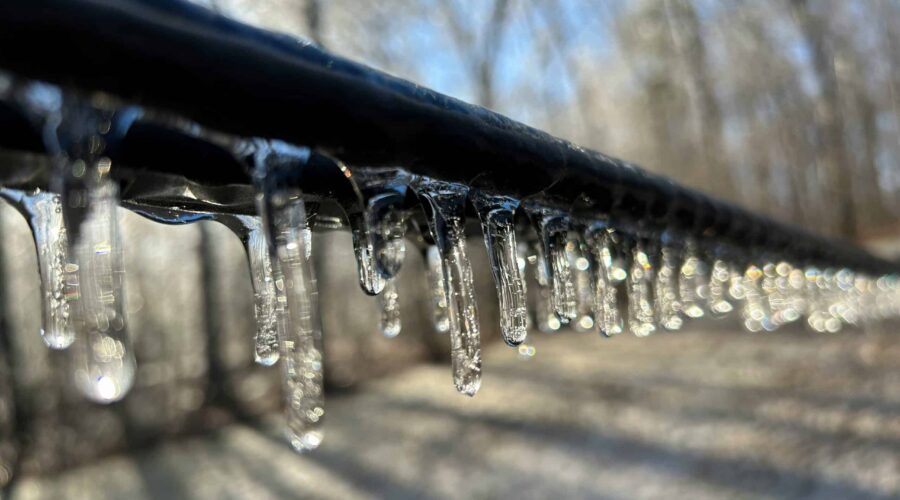
- Frost, condensation, or ice on visible pipes
- Unusual smells from drains (caused by partially frozen pipework)
If you suspect a pipe has frozen, turn off the main water supply immediately and contact a qualified plumber.
Book a Winter Plumbing Maintenance Check
Many winter plumbing problems can be avoided with routine maintenance. Most plumbing and heating companies offer winter checks that include pipe inspections, boiler and heat pump servicing, and radiator bleeding.
To find a qualified, trusted professional, choose a SNIPEF-approved plumbing company via 👉 needaplumber.org