

Everything You Need to Know About Underfloor Heating
Underfloor heating is an increasingly popular heating system that provides warmth from beneath the floor surface, creating a comfortable and energy-efficient indoor environment. Unlike traditional radiators that heat the air from a single location, underfloor heating distributes heat evenly across the entire floor area. This results in improved comfort, lower energy consumption, and greater flexibility in interior design.
As homeowners and businesses seek more sustainable and efficient heating solutions, underfloor heating has become a preferred choice for both new-build properties and renovation projects.
How Underfloor Heating Works
Underfloor heating systems work by warming the floor surface, which then radiates heat upward into the room. There are two main types of underfloor heating systems:
-
Electric Underfloor Heating
Electric systems use heating cables or mats installed beneath the floor covering. When electricity passes through the cables, they generate heat that warms the floor and surrounding space.
Advantages:
- Easy and quick to install
- Ideal for small areas such as bathrooms and kitchens
- Minimal increase in floor height
- Suitable for renovation projects
Disadvantages:
- Higher running costs compared to water-based systems
- Less economical for heating larger areas continuously
-
Water-Based (Hydronic) Underfloor Heating
Hydronic systems circulate warm water through a network of pipes embedded in the floor. The water is heated by a boiler, heat pump, or other heat source.
Advantages:
- Lower operating costs
- Highly energy efficient
- Suitable for heating entire homes
- Works exceptionally well with renewable energy systems such as heat pumps
Disadvantages:
- Higher installation costs
- More complex installation process
- Best suited to new constructions or major renovations
Benefits of Underfloor Heating
Enhanced Comfort
One of the main reasons homeowners choose underfloor heating is the superior comfort it provides. Heat rises evenly from the floor, eliminating cold spots and creating a consistent temperature throughout the room.
Energy Efficiency
Underfloor heating operates at lower temperatures than conventional radiator systems. While traditional radiators may require water temperatures of 65°C to 75°C, underfloor heating can often function effectively at temperatures between 25°C and 45°C. This reduces energy consumption and can lead to lower utility bills.
Improved Air Quality
Traditional radiators can create air currents that circulate dust and allergens. Underfloor heating relies primarily on radiant heat, reducing airborne dust movement and helping to maintain a healthier indoor environment.
More Design Freedom
Since the heating system is hidden beneath the floor, there is no need for wall-mounted radiators. This frees up valuable wall space and provides greater flexibility in room layout and interior design.
Quiet Operation
Underfloor heating systems operate silently, unlike some conventional heating systems that may produce noise during operation.
Suitable Floor Coverings
Underfloor heating is compatible with a wide range of flooring materials, including:
- Ceramic and porcelain tiles
- Natural stone
- Engineered wood
- Laminate flooring
- Vinyl flooring
- Certain types of carpet
Materials with good thermal conductivity, such as tile and stone, tend to deliver the best performance because they transfer heat efficiently into the room.
Installation Considerations
Before installing underfloor heating, several factors should be assessed:
Insulation
Proper insulation beneath the heating system is essential. Good insulation minimizes heat loss and improves overall efficiency.
Floor Height
Some systems may increase floor thickness, which can affect door clearances and floor transitions between rooms.
Heating Requirements
The size of the room, ceiling height, insulation levels, and local climate should all be considered when designing an underfloor heating system.
Control Systems
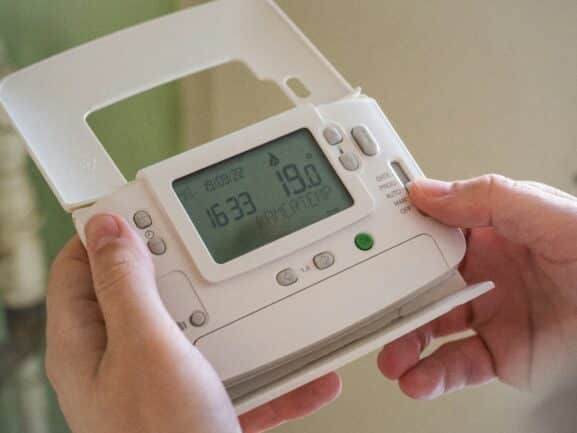
Modern underfloor heating systems often include programmable thermostats and smart controls, allowing users to regulate temperatures in different zones and maximize energy savings. However, this is only true in certain cases, as operating all zones at a lower output for longer periods can often be more cost-effective.
Running Costs and Efficiency
The operating cost of underfloor heating depends on several factors:
- Energy source
- Property insulation
- Room size
- Desired temperature settings
- Type of system installed
Water-based systems generally offer lower long-term running costs, especially when paired with a heat pump. Electric systems may have lower installation costs but can be more expensive to operate over time.
Call a Professional Plumber
Underfloor heating offers a comfortable, energy-efficient, and aesthetically pleasing alternative to conventional heating methods. Homeowners can benefit from even heat distribution, improved energy performance, and greater design flexibility. While installation costs can be higher than traditional heating systems, the long-term comfort, efficiency, and potential energy savings often make underfloor heating a worthwhile investment for modern properties.
Speak to a SNIPEF‑approved plumbing company today to find out more about underfloor heating. Find your nearest plumber at needaplumber.org