Maintaining Your Heating System: A Guide to Efficiency and Reliability
A well-maintained heating system is essential for keeping your home comfortable, energy-efficient, and safe. Whether you have a boiler, radiators, underfloor heating, or a heat pump, regular maintenance can help prevent costly breakdowns, improve performance, and extend the lifespan of your equipment.
Neglecting routine maintenance can lead to higher energy bills, reduced heating efficiency, and unexpected repairs, especially during the colder months when your system is working hardest.
Why Heating System Maintenance Matters
Regular maintenance offers several important benefits:
- Improved energy efficiency
- Lower heating costs
- Reduced risk of breakdowns
- Longer equipment lifespan
- Improved indoor comfort
- Enhanced safety, particularly for gas-powered systems
A heating system that is properly maintained operates more effectively, using less energy to achieve the desired temperature. Over time, these savings can make a significant difference to household energy costs.
Schedule an Annual Service
One of the most important maintenance tasks is arranging an annual inspection by a qualified heating engineer. During a service, professionals can:
- Check for signs of wear and damage
- Test system performance
- Clean components
- Identify potential faults before they become major problems
- Ensure the system operates safely
For gas boilers, annual servicing is particularly important to ensure safe operation and compliance with manufacturer warranty requirements.
Check and Bleed Radiators
If your home uses a radiator-based heating system, trapped air can reduce efficiency and create cold spots.
Signs that radiators need bleeding include:
- The top of the radiator feels cold while the bottom is warm
- Unusual gurgling noises
- Slow heating performance
Bleeding radiators releases trapped air and helps restore even heat distribution throughout the system.
Monitor Boiler Pressure
Most modern boilers operate most efficiently within a specific pressure range, usually indicated on the system pressure gauge.
Low pressure can result in:
- Reduced heating performance
- Error codes
- System shutdowns
Check your boiler’s recommended pressure levels and consult the manufacturer’s guidance if adjustments are required.
Clean Filters and Components
Many heating systems contain filters designed to remove dirt, debris, and contaminants from circulating water or air.
Dirty filters can cause:
- Reduced efficiency
- Increased energy consumption
- Additional strain on system components
Cleaning or replacing filters according to manufacturer recommendations helps maintain optimal performance.
Test Thermostats and Controls
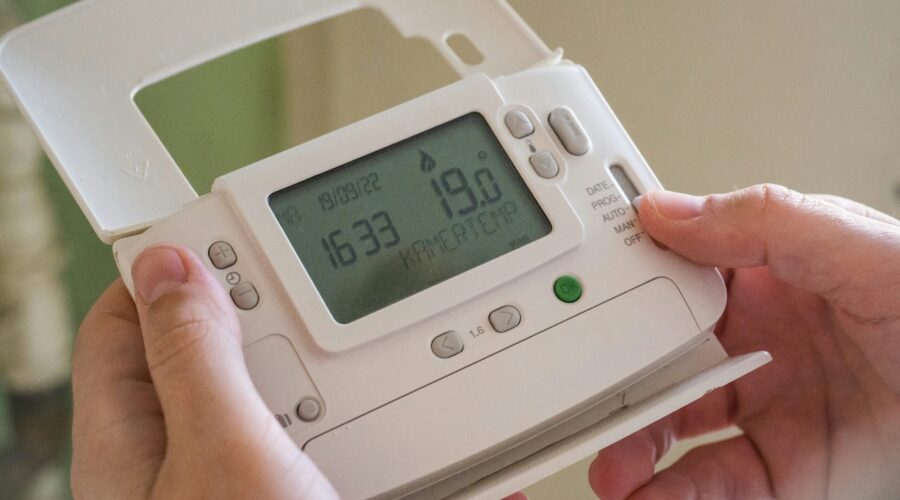
Faulty thermostats can cause inconsistent temperatures and unnecessary energy use.
Regularly test:
- Room thermostats
- Smart heating controls
- Programmable timers
- Zone controls
Ensure settings are accurate and adjust schedules to match household routines for maximum efficiency.
Look for Warning Signs
Pay attention to any changes in your heating system’s performance.
Common warning signs include:
- Unusual noises
- Inconsistent heating
- Rising energy bills
- Water leaks
- Frequent pressure loss
- Delayed system start-up
Addressing small problems early can often prevent more expensive repairs later.
Improve System Efficiency
Beyond maintenance, several measures can help your heating system operate more effectively:
- Upgrade outdated thermostats to smart controls
- Insulate pipes where appropriate
- Install high-quality insulation throughout the home
- Balance radiators for even heat distribution
- Consider system upgrades when equipment reaches the end of its lifespan
These improvements can increase comfort while reducing energy consumption.
Routine inspections and prompt attention to minor issues will reduce risk, but it is worthwhile to get an annual service on your systems from a qualified professional Heating Engineer in your area. Contact a SNIPEF‑approved plumbing and heating company at: needaplumber.org