

Understanding the Dangers of Carbon Monoxide in the Home
Carbon monoxide (CO) is one of the most dangerous hazards that can exist inside a home, mainly because you cannot see it, smell it, or taste it. Despite being completely invisible, carbon monoxide is responsible for hundreds of preventable injuries and deaths every year; it is known as the ‘silent killer’.
This guide explains what CO is, where it comes from, how it affects the body, and what you can do to protect your household from CO poisoning.
What is Carbon Monoxide (CO)?
CO is a colourless, tasteless, odourless, non-irritating gas produced as a by-product during incomplete combustion of fuels due to there being insufficient oxygen present.
It can be released by common household appliances, including:
- Boilers and warm air units
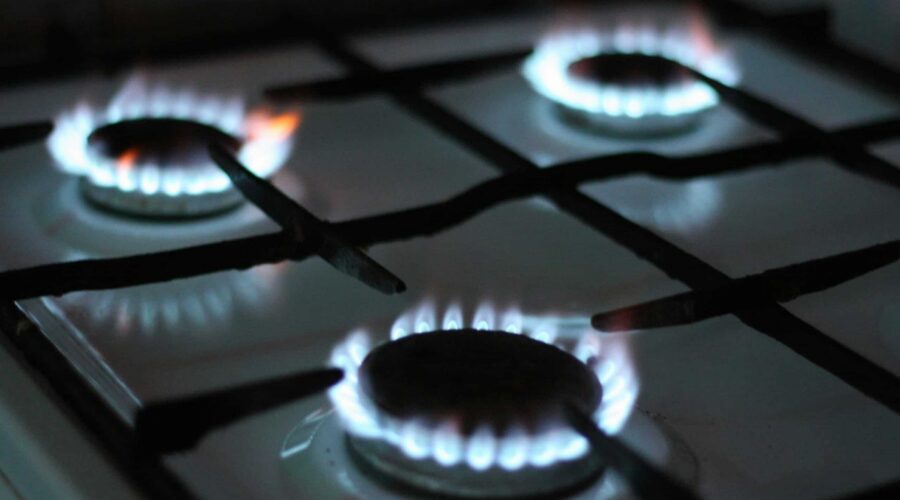
- Gas cookers and ovens
- Gas fires and solid fuel fires such as wood-burning stoves
- Portable heaters and generators
If these appliances are faulty, poorly vented, or improperly used, CO can quickly build up indoors.
Because human senses cannot detect CO, exposure often goes unnoticed until symptoms appear—making it especially dangerous.
Common Sources of Carbon Monoxide (CO) in the Home
CO can accumulate indoors when appliances or engines are used without proper ventilation. Key sources include:
- Gas or oil boilers and Warm air units
- Gas cookers and ovens
- Wood‑burning or coal‑burning stoves
- Fireplaces and chimneys
- Portable heaters
- Generators and petrol‑powered tools
- Cars left running in garages (even with the door open)
Even homes that appear well ventilated can experience dangerous CO buildups in a short period of time.
Symptoms of Carbon Monoxide (CO)
CO poisoning symptoms often resemble food poisoning and the flu, making them easy to dismiss.
Early symptoms include:
- Headache
- Tiredness
- Feeling sick
- Difficulty in thinking clearly (gov.uk)
What to Do if You Suspect Carbon Monoxide
If your CO alarm sounds or you believe there is a leak (unignited gas does not contain CO):
- Stop using all appliances and evacuate the property immediately (try to stay calm and avoid raising your heart rate)
- Call the National Gas Emergency Service number on 0800 111 999 to report the incident or the Health and Safety Executive (HSE) Gas Safety Advice Line on 0800 300 363
- Do not go back into the property (wait for advice from the emergency services)
- Get immediate medical help
If you think you have been exposed to CO and feel unwell or are worried call NHS 111, contact your GP or in an emergency, contact emergency services on 999. When people are removed from the source of CO exposure, their health usually improves , and their symptoms subside, but it is still important to seek medical advice. (gov.uk)
How to Prevent Carbon Monoxide (CO) Exposure
Prevention is the most effective protection against CO poisoning.
Install Carbon Monoxide (CO) Alarms
Fitting an audible CO alarm that meets British or European Standards (BS Kitemark or EN 50291) will help to protect you from exposure to high levels of carbon monoxide.
The alarm will not go off if you are being exposed to lower levels of CO, so it should not be used as a substitute for regular servicing of appliances. You can buy a CO alarm from a DIY or hardware store. (gov.uk)
Maintain Appliances
Have all cooking and heating appliances which use fossil fuels (such as gas, oil and coal) serviced regularly by a qualified and registered engineer. Find a SNIPEF‑approved plumbing and heating professional here.
It is important to ensure that you have adequate ventilation when using these appliances; therefore, chimneys and flues should be kept clean by being swept from top to bottom at least once a year by a qualified sweep and should not be blocked. (gov.uk)
Why Professional Help Matters
Carbon monoxide (CO) is silent, invisible, and extremely dangerous—but it is also preventable. Regular maintenance and professional inspections can detect risks before they become life‑threatening.
👉 To help prevent CO leaks and ensure safe detection, contact a SNIPEF‑approved plumbing and heating professional at: needaplumber.org